
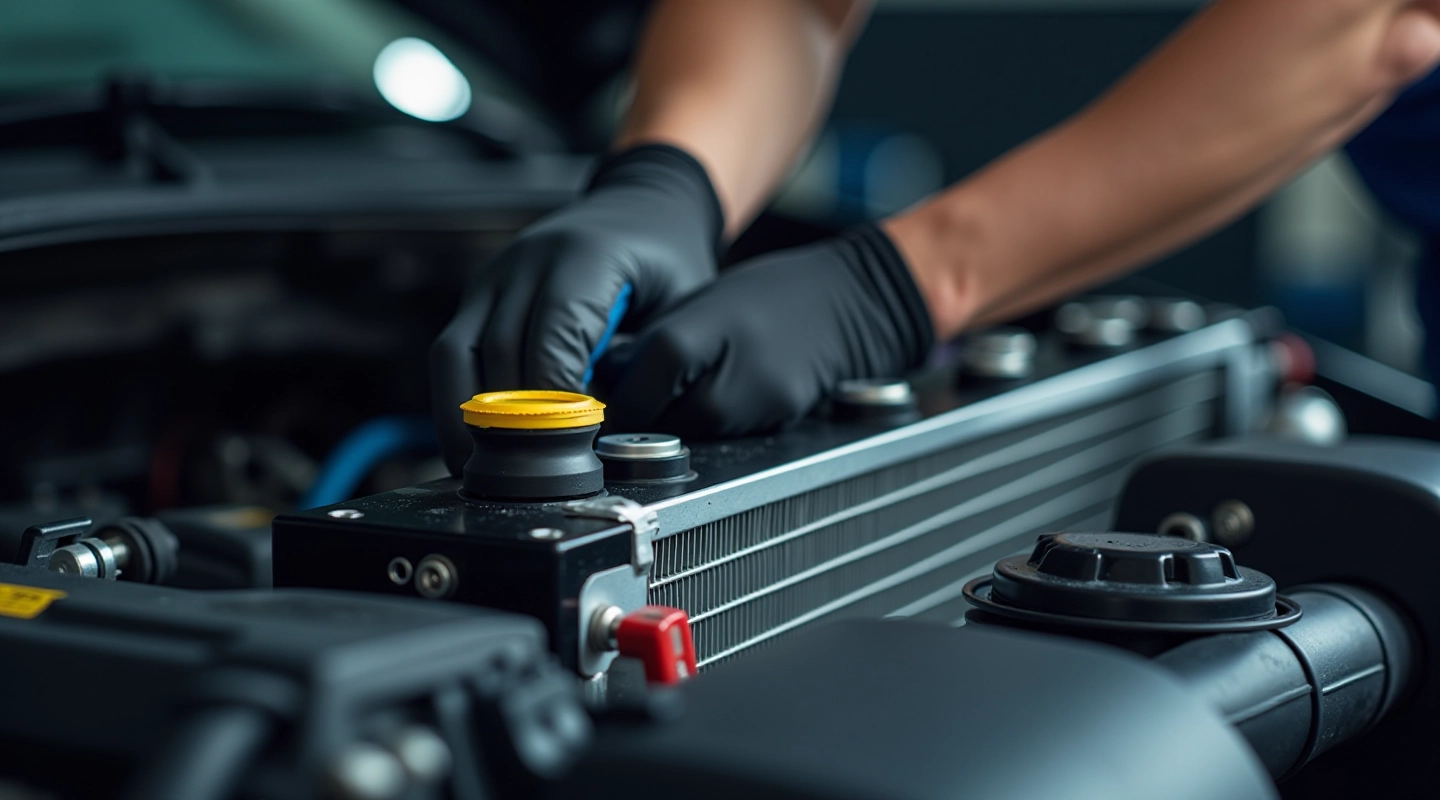
Signs Your Radiator Needs Flushing
Discolored coolant, overheating issues, and strange noises are clear indicators that your radiator needs attention before winter arrives.
A pre-winter coolant flush keeps your engine from freezing and protects against corrosion damage during cold months.

When temperatures drop below freezing, your car's coolant system faces serious challenges. The coolant needs to do two things simultaneously: prevent water from freezing solid and protect your engine block from corrosion. That's a tall order. If your coolant is old, contaminated, or the wrong type for your climate, neither happens effectively.
Most people don't think about their coolant until something goes wrong. But by then you're looking at engine damage, expensive repairs, and potentially being stranded in cold weather. We're going to walk you through exactly what you need to check, when to flush your system, and how to pick the right coolant for Liberec winters.
Your coolant isn't just water. It's a carefully formulated mixture of water, antifreeze (usually ethylene glycol or propylene glycol), and additives that prevent corrosion. The antifreeze lowers the freezing point and raises the boiling point — that's how it protects year-round.
Here's what happens over time. The additives in your coolant break down. The water absorbs contaminants. Rust particles circulate through the system. Eventually, your coolant loses its protective power. You might have a freeze point of -15°C when you need -30°C for Liberec winters.
A coolant flush removes all the old, degraded fluid and replaces it with fresh stuff. The entire system gets cleaned out — radiator, hoses, water pump, engine block. It's preventive maintenance that costs a fraction of what engine damage costs.
This article provides educational information about coolant systems and winter maintenance. It's not a substitute for professional diagnosis or repair. If you're unsure about your coolant type, freeze protection level, or whether your system needs flushing, consult a qualified mechanic. Different vehicles require different coolant specifications — using the wrong type can damage your engine. Always check your owner's manual or contact your vehicle manufacturer before adding or changing coolant.
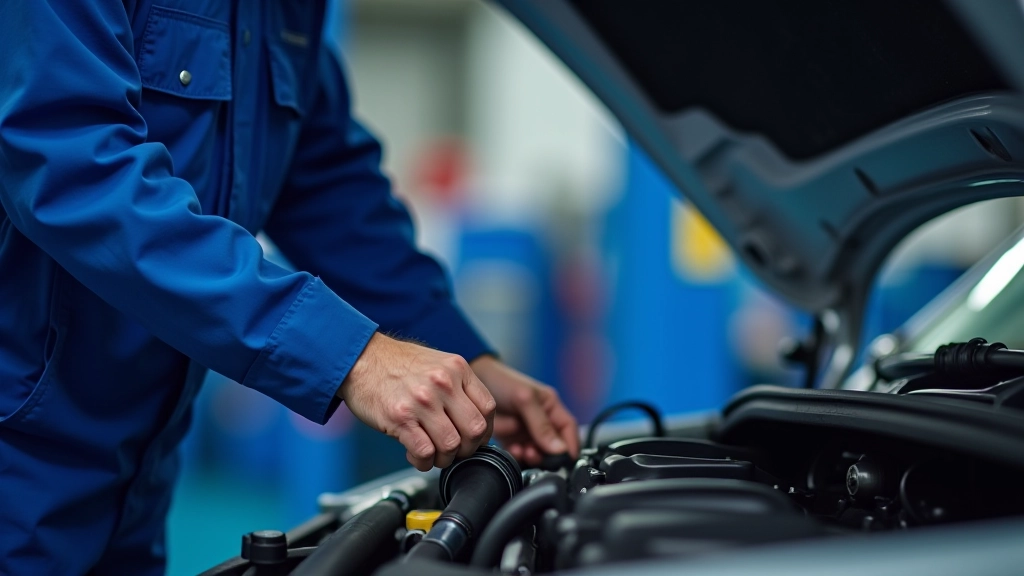
Most manufacturers recommend a coolant flush every 40,000-50,000 kilometers or every 2-3 years — whichever comes first. Some newer vehicles with long-life coolant can go longer, but don't skip it entirely.
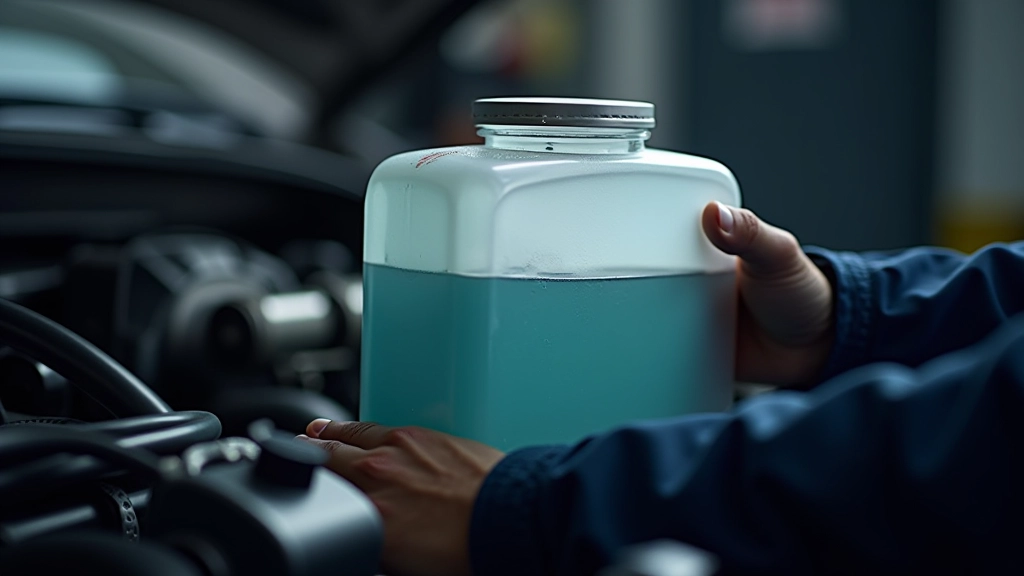
You should flush sooner if you notice: discolored coolant (should be bright red, green, or blue depending on type), a sweet smell from the engine, white smoke, overheating, or visible rust in the coolant reservoir. Any of these signals that your coolant's doing its job poorly.
The timing matters for winter prep. We recommend getting this done 4-6 weeks before your first freeze. That gives you time to address any issues that come up during inspection — like damaged hoses or a faulty thermostat — before cold weather arrives.
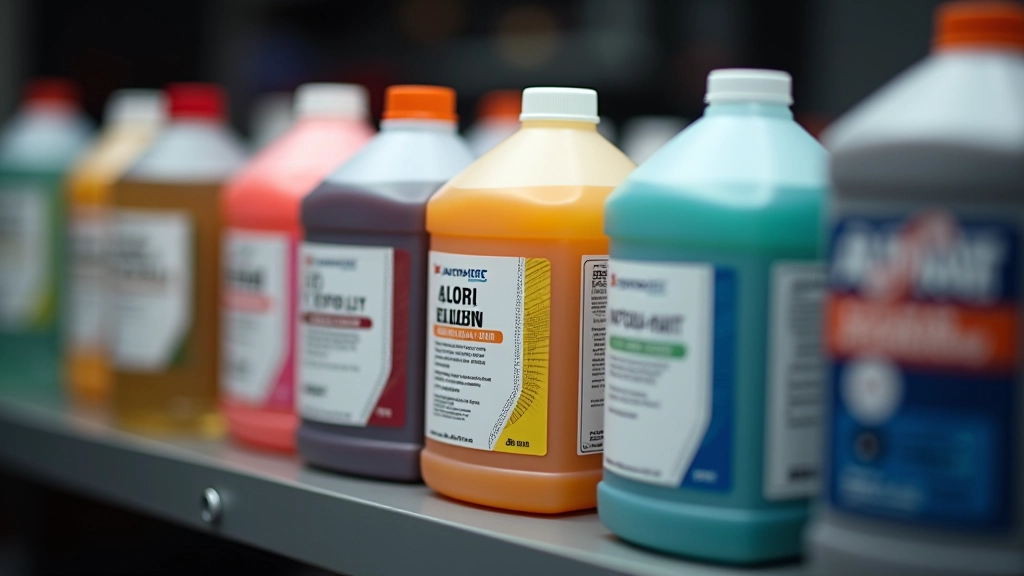
Not all coolants are created equal. In Liberec, where winters get genuinely cold, you need a coolant with proper freeze protection. Most quality coolants protect to -30°C or lower when properly mixed — usually 50% antifreeze and 50% distilled water.
There are three main types: traditional (green, usually IAT additives), extended-life (red/orange, OAT additives), and hybrid (yellow/gold, HOAT additives). Your vehicle's manual specifies which one you need. Mixing types can cause chemical reactions that gunk up your system. It's not worth the risk.
Buy quality coolant from a reputable brand. Cheap coolant often has lower additive packages, which means less corrosion protection. You're saving maybe 5-10 euros on the fluid itself but risking hundreds in engine damage. That math doesn't work.
Coolant hoses take a beating. They're constantly exposed to heat, pressure, and freeze-thaw cycles. A crack in a hose means coolant leaks out, and your engine overheats. You might be fine in October and broken down in November.
Look for cracks, splits, bulges, or soft spots. Squeeze gently — a healthy hose has some give but springs back. If it stays compressed or feels mushy, it's done.
Check where hoses connect to the radiator and engine. Clamps should be tight. Any leaking coolant around connections means the clamp needs tightening or the hose needs replacing.
Hoses typically last 5-10 years. If your car's older than that and you haven't replaced them, do it now before winter. Better proactive than stranded.
If you're taking your car to a shop, here's what happens during a standard coolant flush:
The radiator petcock opens and all old coolant drains into a container. This takes 10-15 minutes and shouldn't be rushed.
Many shops run a flushing solution through the system while the engine idles. This breaks up rust and sediment so it flushes out cleanly.
After flushing, the system drains again to remove flushing solution and loosened contaminants. You want to see clear fluid coming out.
The radiator fills with fresh coolant mixed to the right ratio. The technician bleeds air from the system so there are no pockets.
The engine runs briefly to circulate fresh coolant and verify the thermostat works. Temperature should reach normal operating range.
A coolant flush is one of those maintenance items that doesn't get flashy attention, but it's absolutely critical for winter reliability. You're not trying to impress anyone — you're trying to make sure your car starts on a -20°C morning and doesn't overheat in traffic.
Do this now, while the weather's still mild. Check your coolant condition, inspect your hoses, and schedule a flush if it's been more than 2-3 years. It's inexpensive insurance against expensive problems. Come December, you'll be grateful you took the time.
Questions about your car's coolant or need a professional inspection? Get in touch with a qualified mechanic in your area who can assess your specific vehicle's needs.
Contact Support
Written by
Editorial Team
Written by the luxivance editorial team, focused on practical guidance for car maintenance and winter preparation in Liberec.
Continue learning about coolant systems and winter maintenance
Discolored coolant, overheating issues, and strange noises are clear indicators that your radiator needs attention before winter arrives.
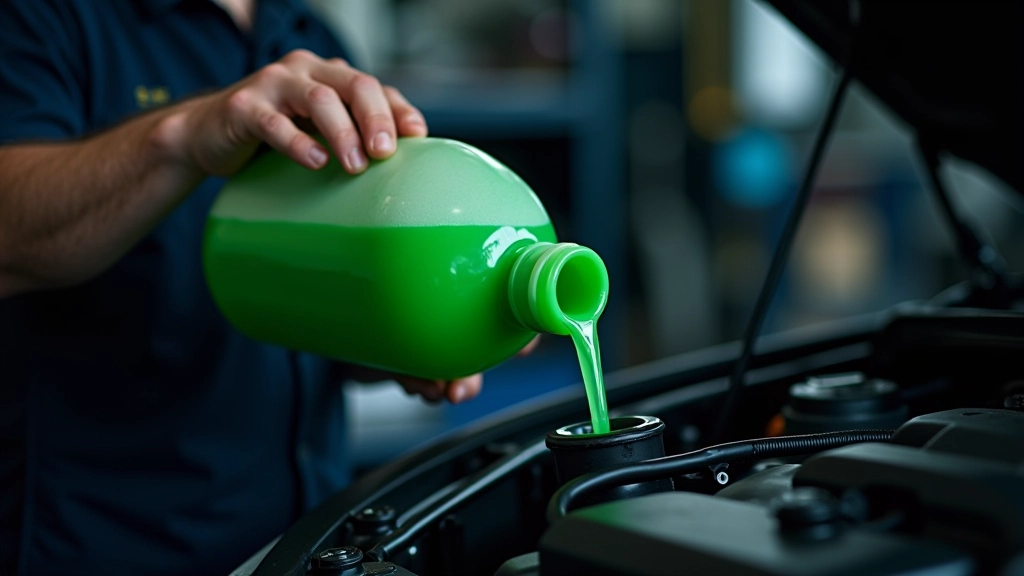
Different cars need different coolant types. We'll help you pick the one that protects your engine through freezing temperatures.
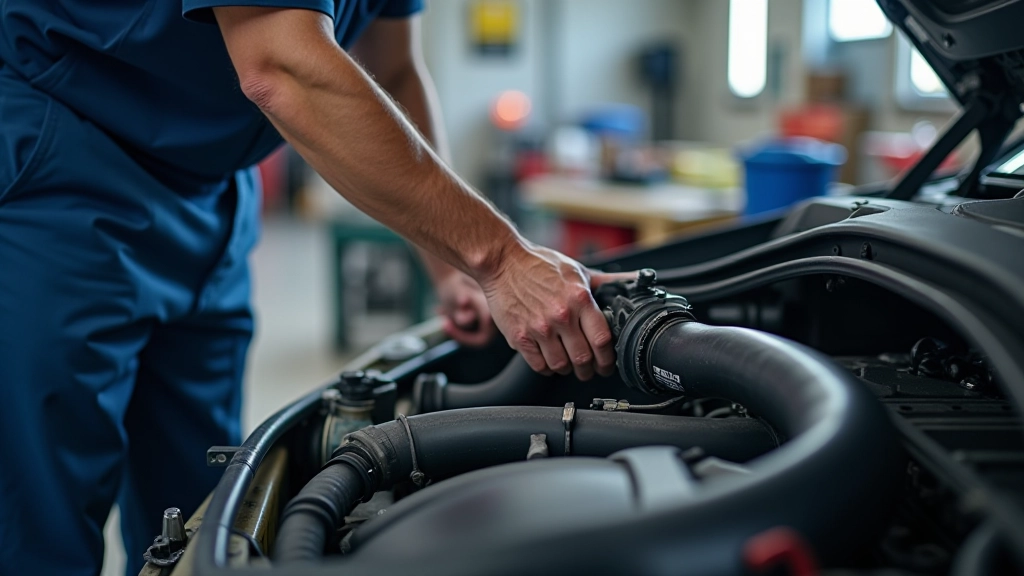
Cracked hoses cause leaks and overheating. Learn how to spot damage before it becomes an emergency on the road.