
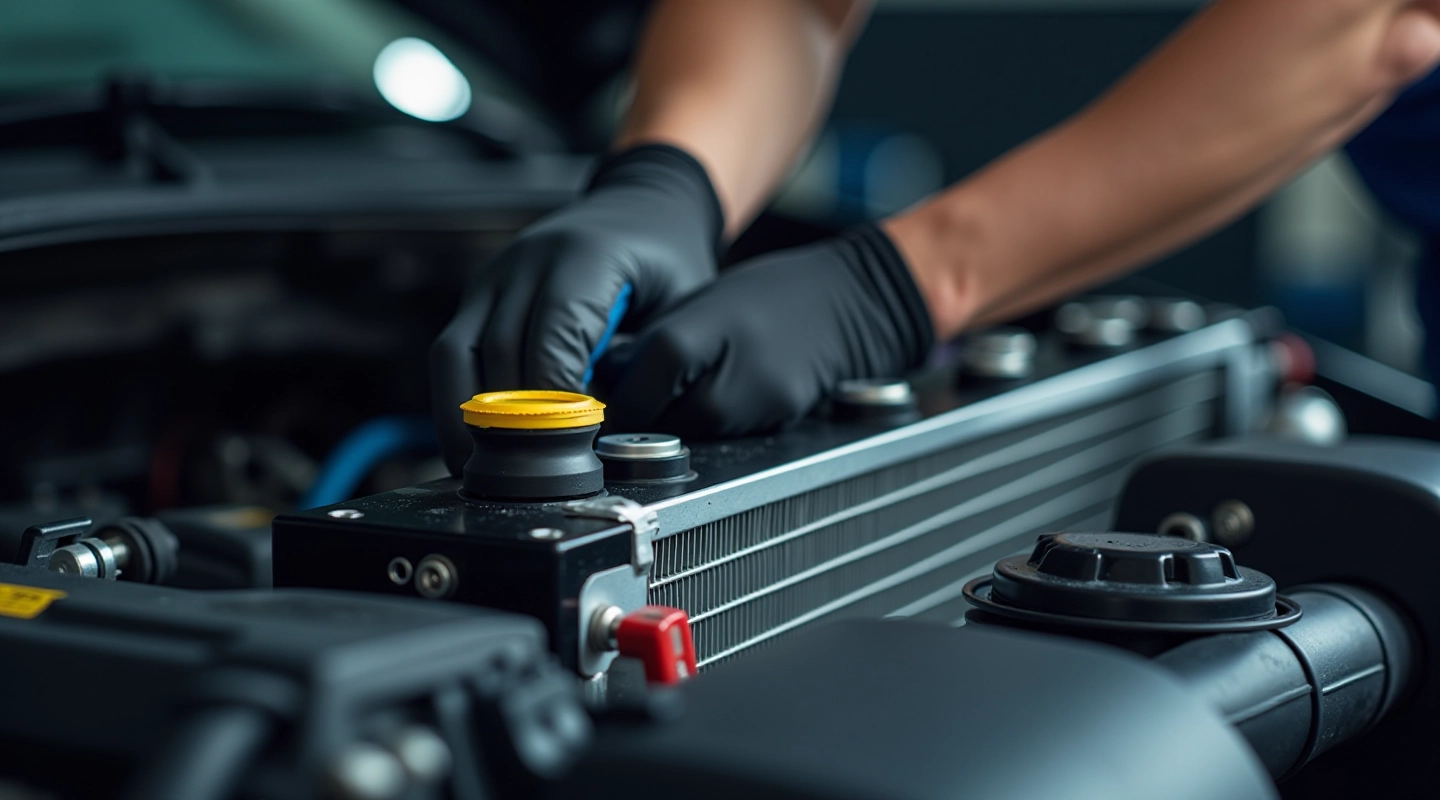
Signs Your Radiator Needs Flushing
Discolored coolant, overheating issues, and strange noises are clear indicators...
Different cars need different coolant types. We'll help you pick the one that protects your engine best.
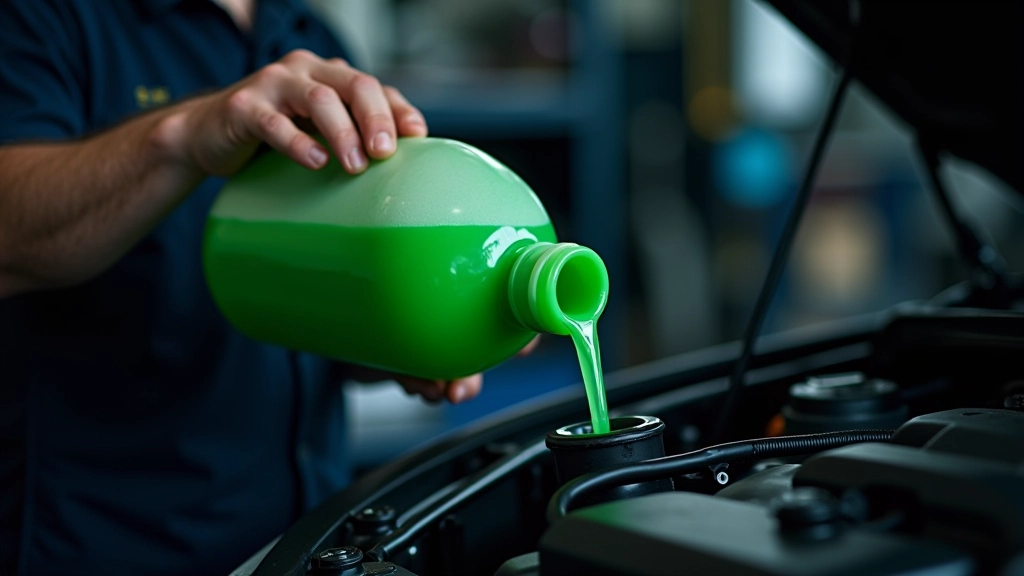
Winter's coming, and your engine's counting on the right coolant to stay protected. It's not just about preventing freezing — the wrong type can damage seals, corrode metal components, and leave you stranded on a cold morning. We've seen it happen too many times.
Your car's manufacturer chose a specific coolant type for a reason. Some vehicles use traditional green coolant, others need extended-life orange or pink formulas. Mixing types? That's a recipe for problems. We'll walk you through the options so you can make the right choice.
Green coolant's been around forever. It uses inorganic inhibitors to protect against corrosion and freeze damage, and it typically lasts about 2-3 years or 30,000 miles before needing replacement. You'll find it in older vehicles and some budget-friendly cars.
Here's the thing — green coolant works well, but you've got to stay on top of maintenance. The inhibitors break down over time, so regular flushes are essential. If you're maintaining your cooling system properly, this option costs less upfront. But neglect it, and you're looking at rust buildup inside your radiator.
Most Asian vehicles made before 2000 and many American trucks from that era run on green. It's reliable and proven. Just don't let it go beyond its service interval — that's when problems start creeping in.

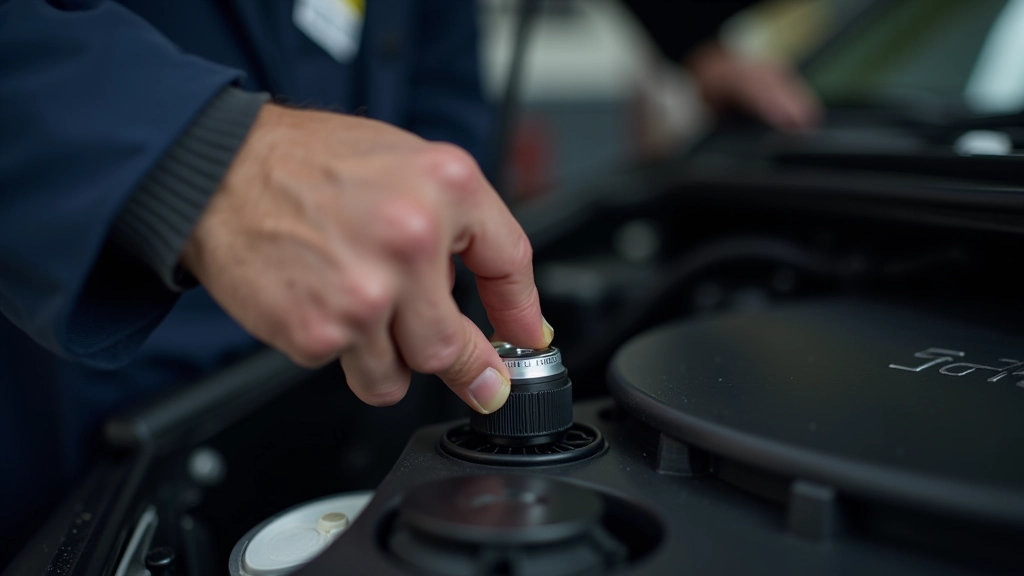
Extended-life coolants — you'll see them labeled as orange, pink, red, or blue — use organic acid inhibitors (OAT). They're designed to last 5-10 years or 100,000+ miles. Most newer vehicles, especially from Ford, GM, and European manufacturers, come filled with these formulas.
The advantage is obvious: fewer flushes, less hassle. You're not crawling under the car every couple years. The inhibitors don't degrade as quickly, so protection lasts longer. Plus, extended-life coolants generally protect better against cavitation damage — that's when bubbles form in the coolant and eat away at metal surfaces.
Cost-wise, they're more expensive per bottle, but you're replacing them less often. Do the math over 10 years and it often works out about the same. The real benefit? Peace of mind during winter. Extended-life coolants handle freeze protection more effectively at extreme temperatures.
This article provides educational information about coolant types. Always consult your vehicle's owner's manual for the exact coolant specification your engine requires. Using the wrong type can damage your cooling system. When in doubt, ask a qualified technician to verify the correct coolant before purchasing.
Some manufacturers developed hybrid coolants (HOAT — Hybrid Organic Acid Technology) combining benefits of traditional and extended-life formulas. These work well in vehicles that need something in between. Toyota and some Nissan models use these proprietary blends.
Then there are specialty coolants — silicate-based formulas for specific truck models, Japanese vehicle formulations, European blends. It sounds complicated, but here's the simple truth: your owner's manual tells you exactly which one you need. That's not a suggestion — that's the manufacturer's engineering specification.
Using the correct type protects your radiator, water pump, and engine block. Use the wrong one, and you're risking scale buildup, corrosion, and expensive repairs down the road.

Let your engine cool first. Coolant gets hot and pressurized — opening the radiator cap on a warm engine is dangerous.
Green, orange, pink, or blue? The color tells you the type. Dark brown or murky fluid? That's a sign you need a flush soon.
Look up the exact specification for your vehicle year and model. Your manual lists the approved coolant type and freeze protection rating.
Read the bottle label carefully. It'll specify which vehicles it's compatible with. Don't guess — match the exact type.
Before temperatures drop, make sure you're ready. Check your current coolant level — it should be between the minimum and maximum marks on the reservoir. If it's low, you've got a leak somewhere that needs attention.
Verify the freeze protection rating matches your climate. If you're in Liberec or other cold regions, you'll need coolant that stays liquid at -20°C or colder. Most modern coolants handle this, but don't assume. Coolant that works in moderate climates might freeze solid when winter really hits.
Consider scheduling a coolant flush if your vehicle's approaching the manufacturer's recommended interval. Fresh coolant protects better, and you'll start winter with a clean system. Don't wait until January to discover you've got a problem.
Choosing the right coolant isn't complicated once you know where to look. Your owner's manual has the answer. Green for older vehicles, extended-life for newer ones, specialty blends for specific models. Stick to that specification and you're protecting your investment.
Winter's harsh on engines. The right coolant keeps your system running smoothly when temperatures drop. Mix the wrong types or use the wrong specification, and you're gambling with expensive repairs. That's not worth the risk.
Take 10 minutes now to check your manual and verify what you need. Pick up the right bottle. Your engine will thank you when January rolls around and everything's working as it should be.

Editorial Team
Written by the luxivance editorial team, focused on practical guidance for car maintenance and winter preparation in Liberec.
Discolored coolant, overheating issues, and strange noises are clear indicators...
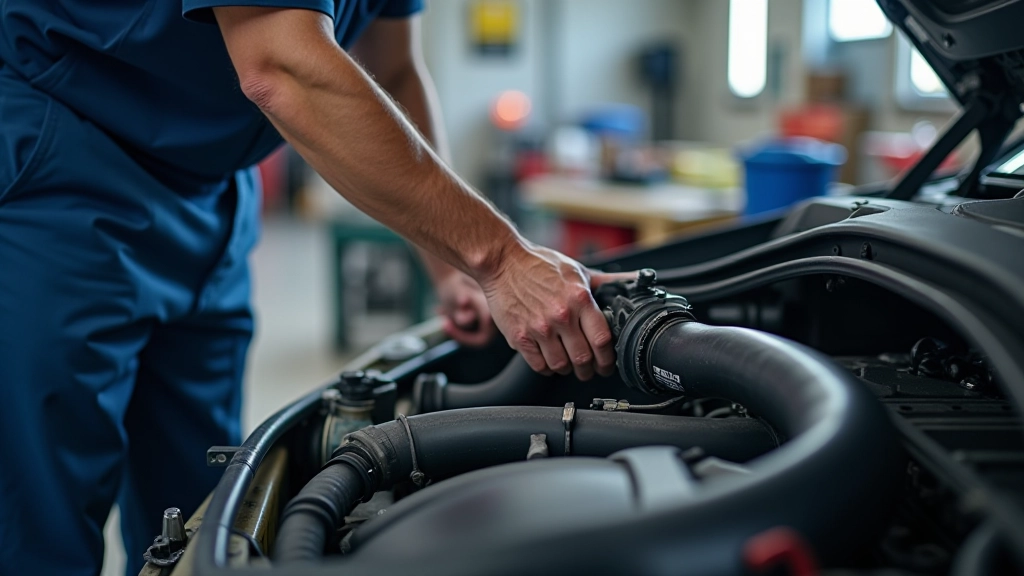
Cracked hoses cause leaks and overheating. Learn how to spot damage before it be...

A pre-winter coolant flush keeps your engine from freezing and protects against...