
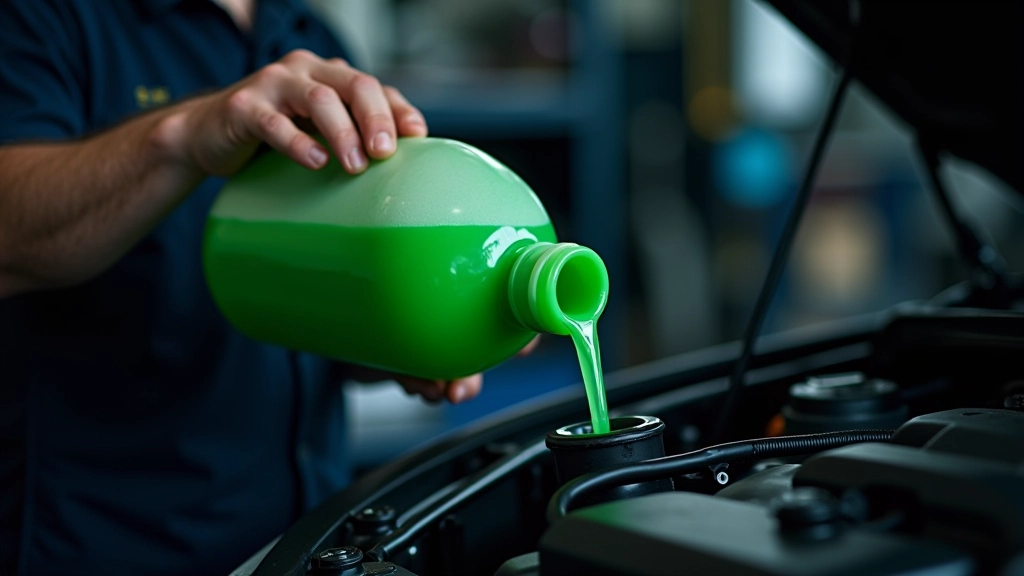
Choosing the Right Coolant for Winter
Different cars need different coolant types. We'll help you pick the one that protects your engine.
Discolored coolant, overheating issues, and strange noises are clear indicators it's time for service.
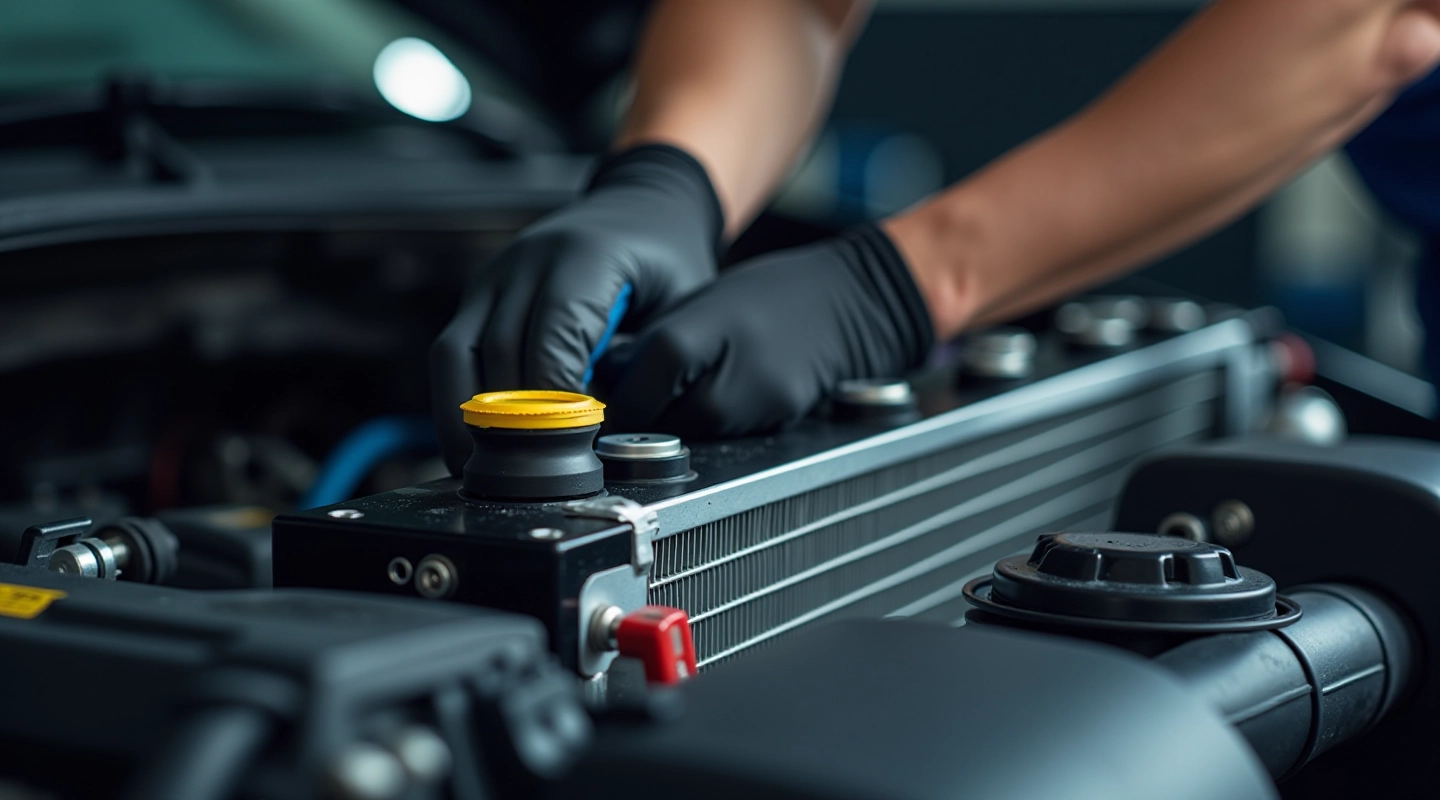
Your radiator doesn't just keep things cool — it's basically the life support system for your engine. Over time, coolant breaks down. Rust forms. Sediment builds up. When that happens, your radiator can't do its job anymore. The good news? You'll notice warning signs before things get really bad. We'll walk you through what to look for and why it matters.
A radiator flush is one of those maintenance tasks that sounds intimidating but really isn't. Most people think "flush" means some complicated procedure. It's actually pretty straightforward — you're replacing old coolant with fresh fluid that works better. That's it. But ignoring the signs? That's when you end up with an overheating engine, a cracked block, or a repair bill that'll make you wince.
Here's what to watch for. Some are obvious. Some are subtle. All of them matter.
Fresh coolant is bright green, pink, or blue depending on the type. If yours looks like rust-colored water or has a brownish tint, that's your signal. Discoloration means oxidation is happening inside the radiator. Old coolant loses its ability to protect metal parts from corrosion. You'll typically see this after 5-7 years, but it varies by coolant type and driving conditions.
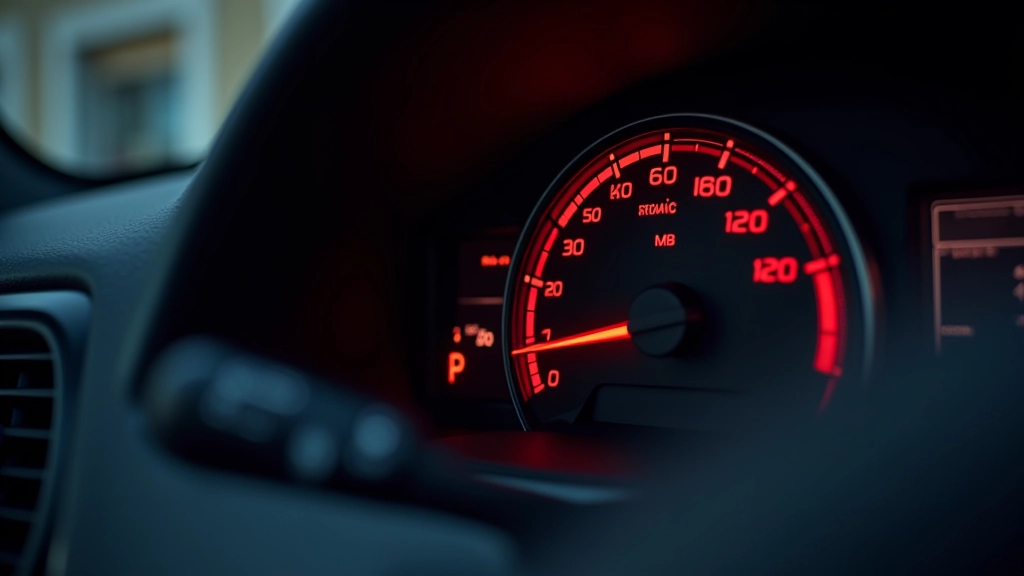
Your temperature gauge creeping toward the red zone? That's not normal. If you're stuck in traffic and the needle starts climbing, or the cooling fan runs constantly, something's restricting coolant flow. Sediment buildup clogs the radiator's tiny passages. Fresh coolant flows better and transfers heat more efficiently. You might also notice the cabin heat isn't as strong — same blockage problem.
Pink or green puddles under your parked car mean the radiator or hoses are failing. Small leaks happen slowly — you might notice your coolant level dropping over a few weeks. Don't ignore it. Even a slow leak will eventually leave you stranded. Check your coolant reservoir regularly. It should stay between the minimum and maximum marks.
A bubbling or gurgling sound coming from under the hood while idling? That's usually trapped air in the cooling system. Degraded coolant creates more air pockets. You might also hear a knocking sound if the engine's overheating — that's pre-detonation happening inside the cylinders. Both are red flags that your coolant isn't doing its job.
Coolant smells sweet. That's actually antifreeze's signature scent. If you're noticing it, there's a leak somewhere. Don't wait on this one. Coolant is toxic — it tastes sweet which makes it dangerous around kids and pets. A leak today becomes an overheating engine tomorrow.
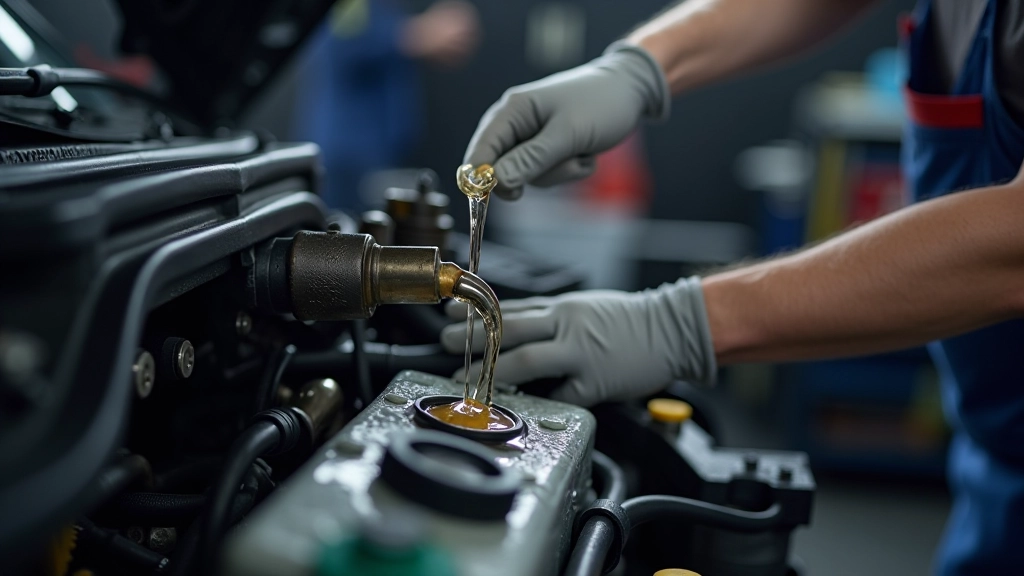
A radiator flush isn't complicated. You're removing the old coolant and replacing it with new. That's the core of it. But there's a bit more happening under the surface.
The radiator's drained completely. You'll see whatever's been accumulating in there — rust particles, sediment, breakdown byproducts. This is why the color changes so much over time.
Sometimes a cleaning solution is used first to break up stubborn buildup. Then distilled water rinses everything out. Distilled water matters because tap water has minerals that create deposits.
New coolant goes in — the right type for your vehicle. Mixing coolant types is a mistake. Some are phosphate-based, others are organic acid technology. Your manual tells you which one you need.
Air pockets get trapped during refilling. These need to come out. You'll run the engine with the radiator cap off and let air bubble up naturally. This step prevents overheating and weird noises.
Most manufacturers recommend a coolant flush every 30,000 to 60,000 miles or every 2-5 years, whichever comes first. That's the baseline. But your actual timing depends on several things.
Different manufacturers have different recommendations. Some say every 30,000 miles. Others claim 100,000. It's not just marketing — it depends on the coolant type and how the engine's designed.
Stop-and-go city driving creates more heat stress than highway miles. You're using the cooling system harder. If you're frequently towing or driving in hot climates, flush sooner. Winter driving in Liberec means your coolant's working to prevent freezing too — that's extra stress.
Don't wait for the scheduled service if you're seeing discoloration or temperature spikes. Address it immediately. Prevention is cheaper than replacing a seized engine.
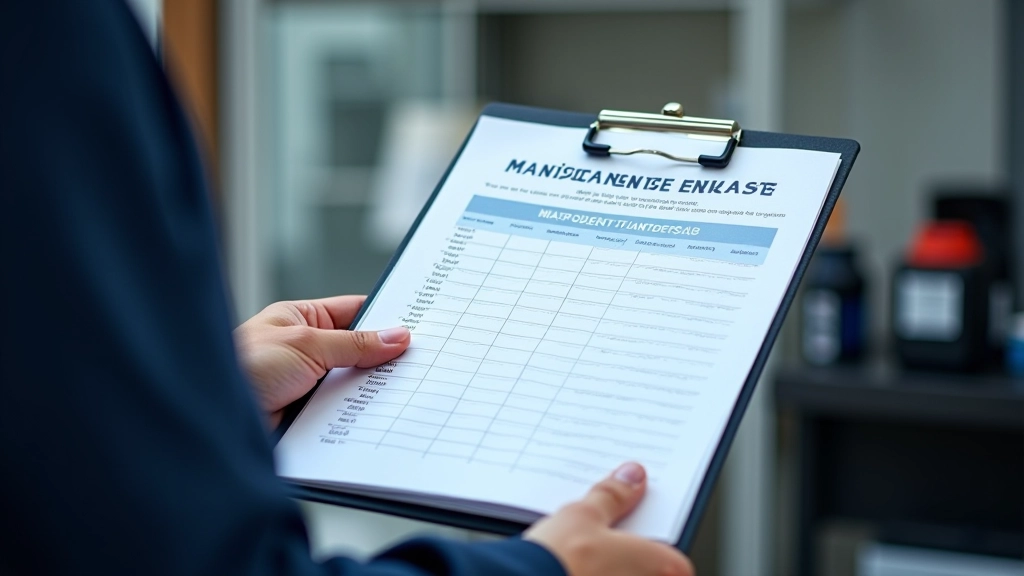
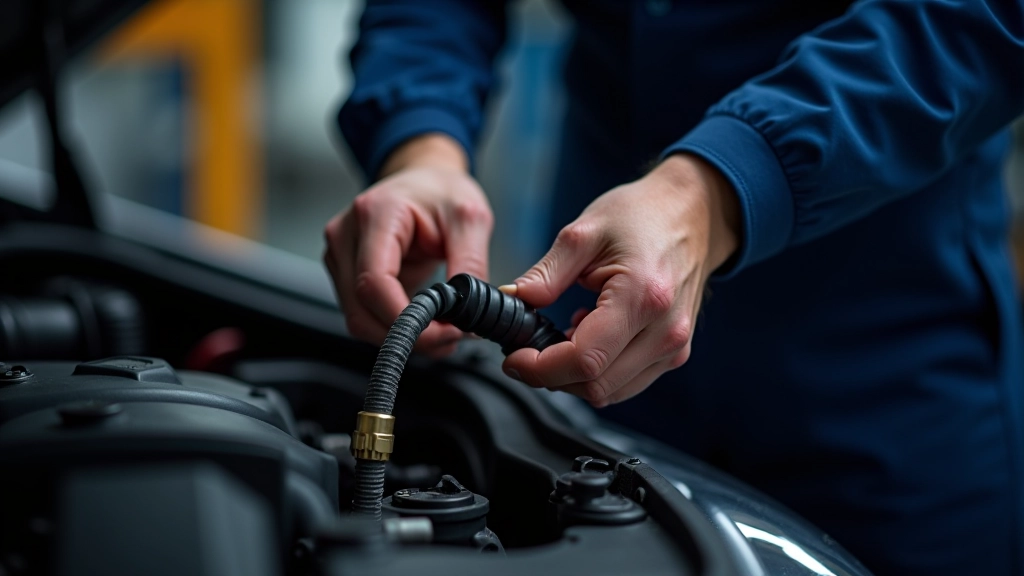
Here's the thing about car maintenance: the small stuff prevents the big stuff. A radiator flush costs a fraction of what you'll spend if you ignore the warning signs.
Ignoring an overheating engine leads to a cracked cylinder head or a warped block. That's not a flush — that's a rebuild. The difference between catching problems early and letting them sit? Hundreds of dollars versus thousands. Sometimes tens of thousands.
In Liberec winters, this is especially important. Cold weather stresses your cooling system as much as heat does. Fresh coolant with proper freeze protection keeps your engine safe when temperatures drop. You're not just buying a service — you're buying reliability and peace of mind through the cold months.
Your radiator doesn't send you a message when it needs help. It just gradually stops working as well. You've got to notice the signs — discolored coolant, overheating, leaks, strange noises, sweet smells. When you spot any of those, don't put it off. A radiator flush is straightforward, affordable, and prevents expensive damage down the road.
Whether you're preparing for winter in Liberec or just keeping your car running smoothly year-round, fresh coolant matters. It's one of those maintenance tasks that feels optional until it's not. By then, you're dealing with a much bigger problem.
Pay attention to what your car's telling you. Address the warning signs early. Your engine will thank you.
This article is for educational and informational purposes. It's designed to help you understand radiator maintenance and recognize warning signs. Every vehicle is different — your specific situation may vary based on your car's age, make, model, and driving conditions. For professional diagnosis and service, consult a qualified mechanic or visit a service center. Always refer to your vehicle's owner manual for manufacturer-specific guidance.
Editorial Team
Written by the luxivance editorial team, focused on practical guidance for car maintenance and winter preparation in Liberec.
Different cars need different coolant types. We'll help you pick the one that protects your engine.
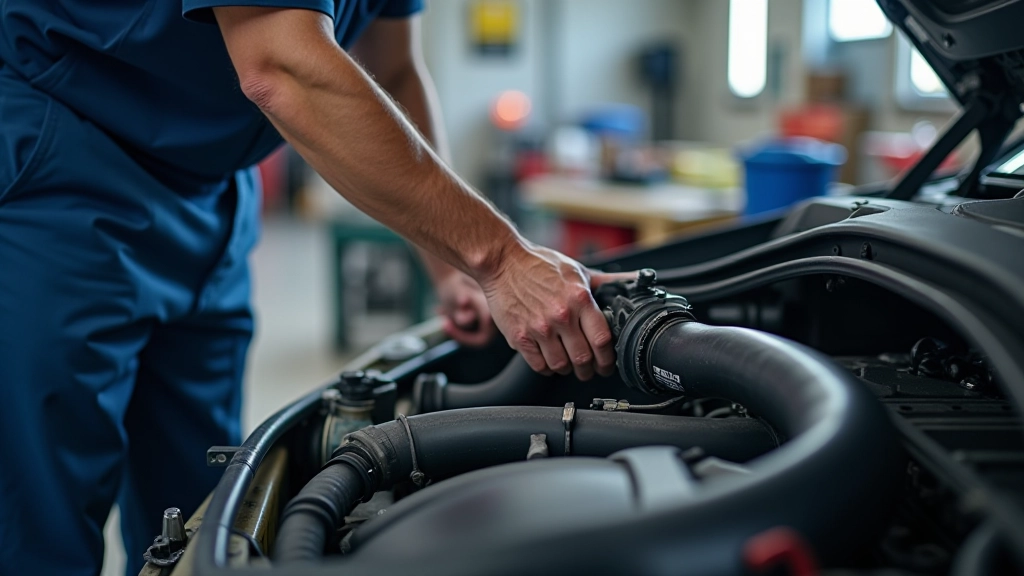
Cracked hoses cause leaks and overheating. Learn how to spot damage before it becomes serious.
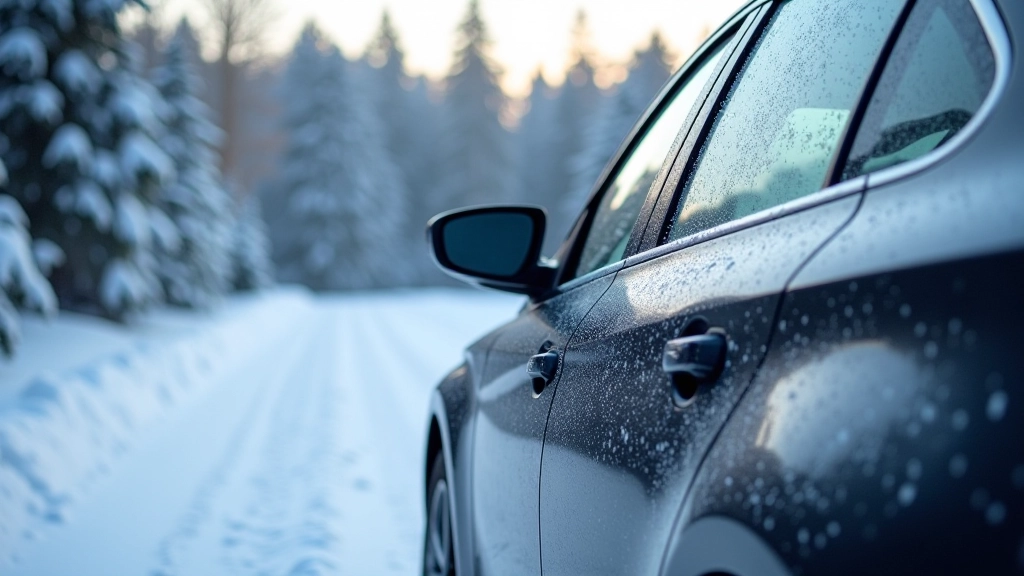
A pre-winter coolant flush keeps your engine from freezing and protects against damage.