
Coolant Hose Inspection & Replacement
Cracked hoses cause leaks and overheating. Learn how to spot damage before it becomes a problem on the road.
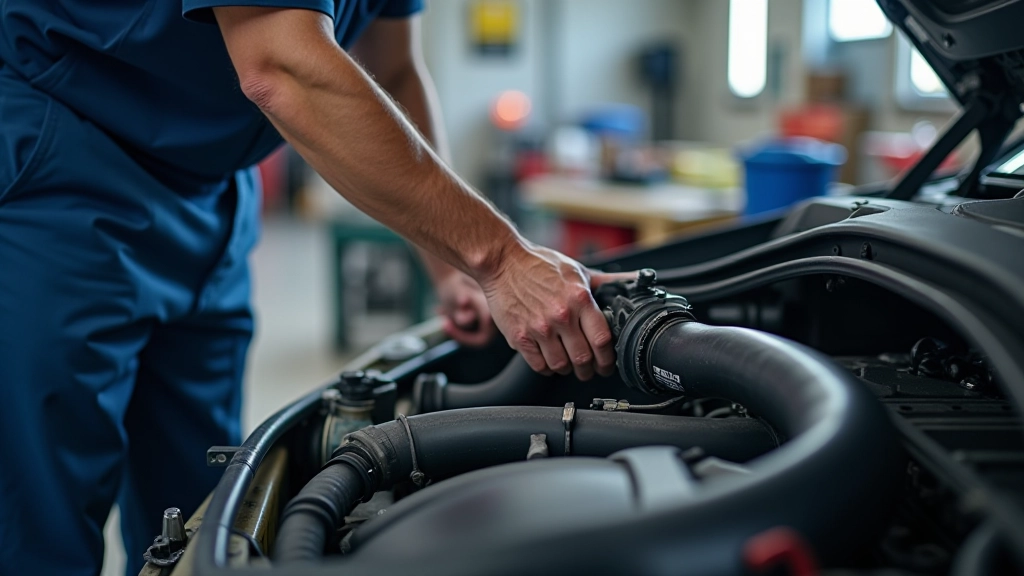
Why Hose Condition Matters
Your engine's coolant system relies on rubber hoses to move fluid from the radiator to the engine and back. These hoses handle high temperatures and constant pressure — they're working hard every time you drive.
Over time, rubber degrades. UV exposure, heat cycles, and the chemicals in coolant all take their toll. When a hose fails, you don't get a gentle warning. You get a puddle under your car and an overheating engine, possibly while you're stuck in traffic.
The good news? You can catch hose problems early. Regular inspections catch cracks, splits, and soft spots before they leak. We'll walk you through what to look for and when replacement becomes necessary.
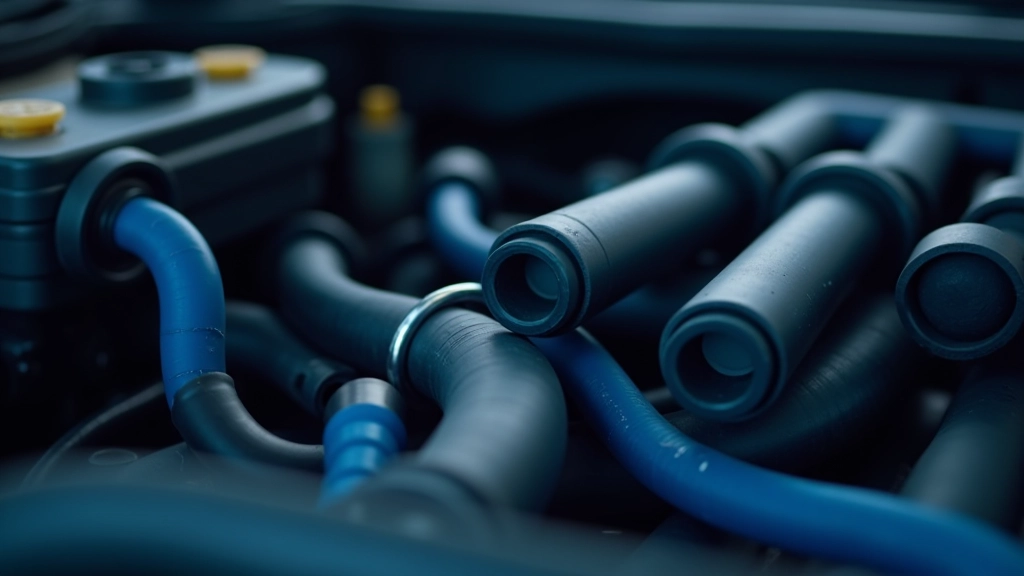
What to Look For During Inspection
You don't need special tools to check your hoses. A visual inspection takes maybe 10 minutes and catches 90% of problems.
Visible Cracks
Look for any visible splits or cracks in the rubber. These might be hairline thin or deep gouges. If you see them, the hose is already leaking or will be soon.
Soft or Mushy Sections
Gently squeeze the hose along its length. It should be firm but slightly flexible. If any part feels soft, spongy, or mushy, the rubber's breaking down internally. That hose needs replacing.
Bulges or Blisters
Pressure inside the hose can push the rubber outward, creating a bubble. This is a warning sign — the hose wall's weakening. Don't wait on this one.
Discoloration or Hardening
New hoses are usually black and flexible. If a hose looks pale, brittle, or feels hard as plastic, age and heat have done their damage.
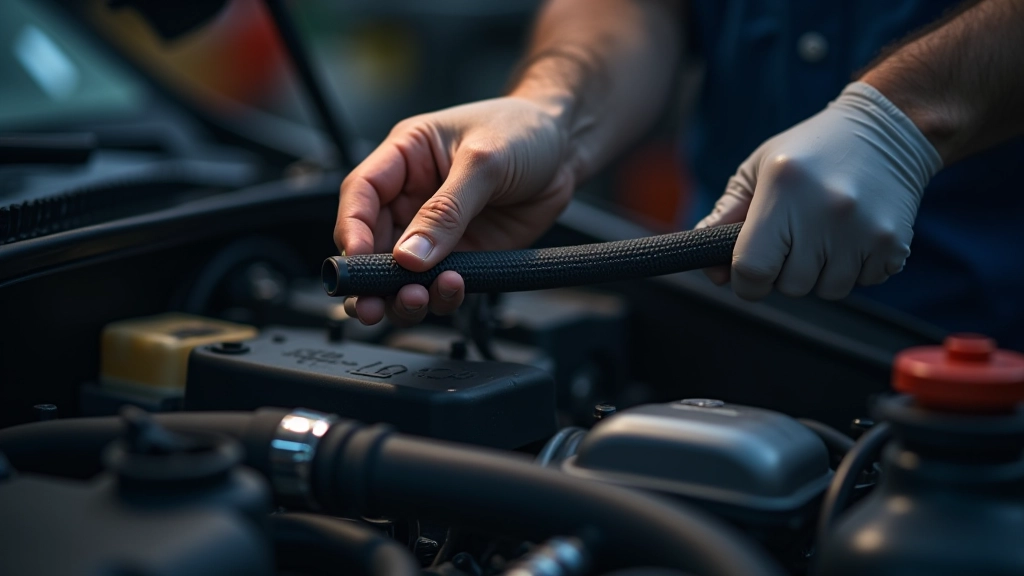
Educational Information
This guide is for educational purposes and describes general inspection practices. Every vehicle is different. If you're unsure about your hoses' condition, have a qualified mechanic evaluate them. Professional inspection ensures nothing gets missed.
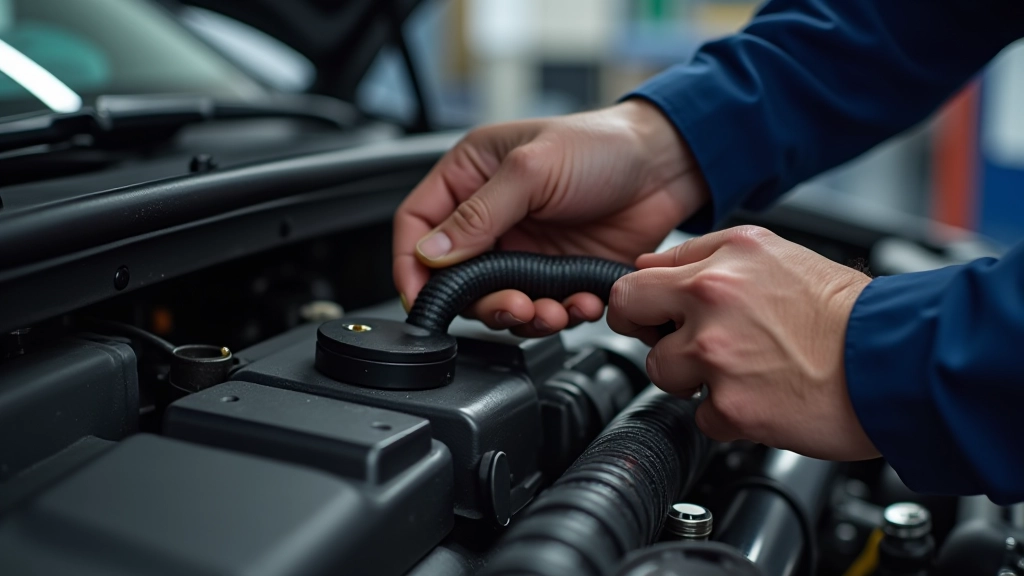
When Replacement Becomes Necessary
Here's the thing — if you spot any of those warning signs, don't postpone. A failing hose doesn't get better. It gets worse. Usually quickly.
Most hoses last 4-10 years depending on your driving conditions. Winter in Liberec is harsh — freeze-thaw cycles, salt, and constant temperature swings age hoses faster. If your car's older than 5 years and you haven't replaced hoses recently, it's worth having them checked.
Replacement is straightforward. A technician drains the system, removes the old hose, and installs new ones. The whole job typically takes 1-2 hours. Cost varies based on which hoses and your vehicle, but it's way cheaper than fixing an overheated engine.
After replacement, the cooling system needs to be refilled and bled to remove air pockets. This ensures proper coolant circulation and prevents future problems.
Keeping Hoses Healthy Long-Term
Regular Inspections
Check hoses twice a year — before winter and after summer. It's five minutes of your time and catches problems early.
Quality Coolant
Use the coolant type your manufacturer recommends. The right fluid protects rubber and metal from corrosion and extends hose life.
Manage Temperature
Keep your cooling system running efficiently. An overheating engine accelerates hose degradation. Flush coolant regularly to maintain system performance.
Professional Checks
Annual maintenance visits let trained technicians spot hose issues you might miss. They know what to look for and can advise on replacement timing.
Bottom Line
Coolant hoses are one of those parts that work invisibly until they fail. You can't ignore them, but you can stay ahead of problems with regular checks. A few minutes of inspection every few months means you'll catch issues before they leave you stranded.
If you spot anything suspicious — cracks, soft spots, bulges, or discoloration — don't delay. Get the hoses checked by a professional. Replacement is affordable and prevents expensive damage to your engine. In Liberec's climate, where cold winters put extra stress on cooling systems, keeping your hoses in good condition isn't just smart — it's essential.
Ready for a Coolant System Check?
Professional inspection catches hose problems before they become emergencies.
Get in Touch
Author
Luxivance Editorial Team
Editorial Team
Written by the luxivance editorial team, focused on practical guidance for car maintenance and winter preparation in Liberec.
Related Articles
Learn more about coolant systems and winter maintenance
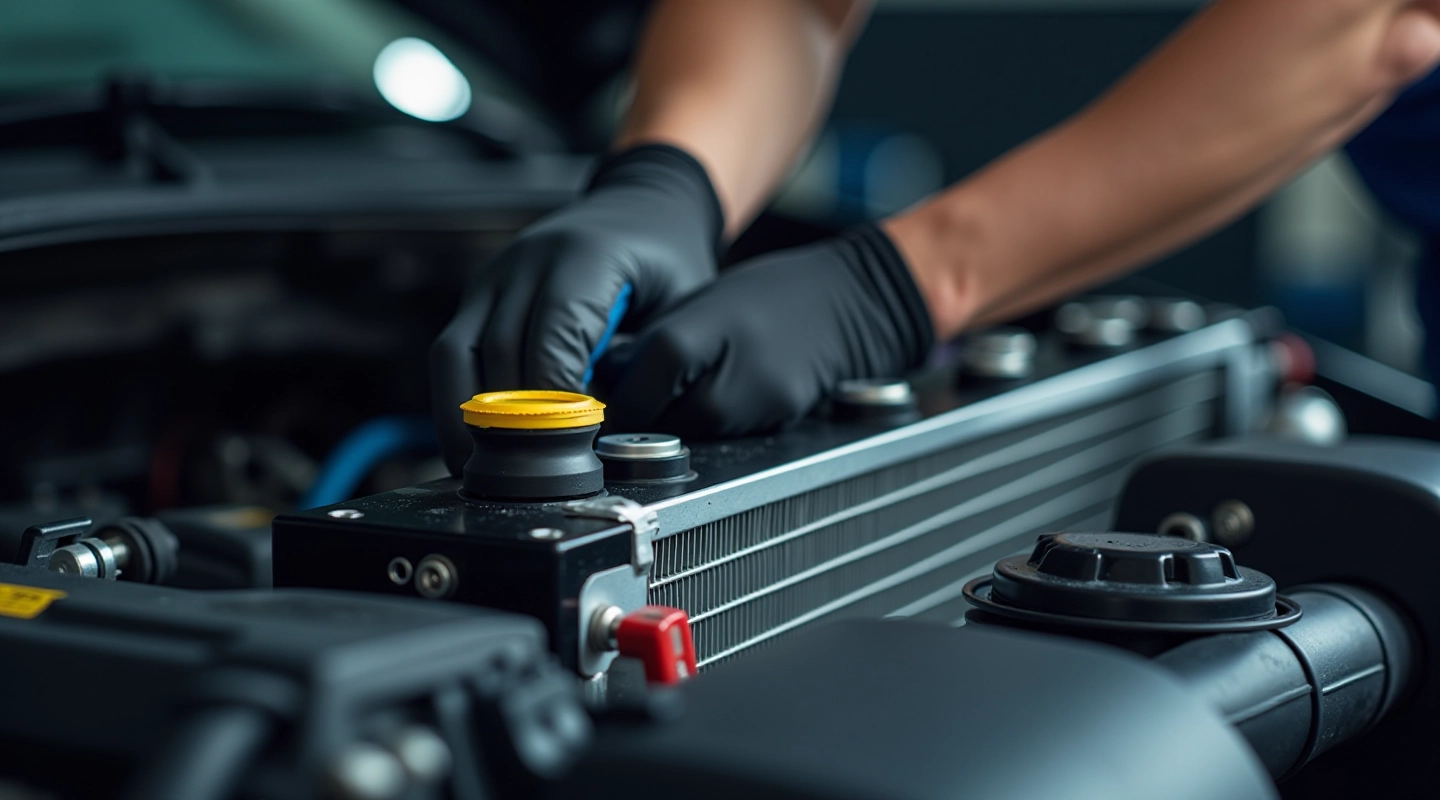
Signs Your Radiator Needs Flushing
Discolored coolant, overheating issues, and strange noises are clear indicators that a flush is overdue.
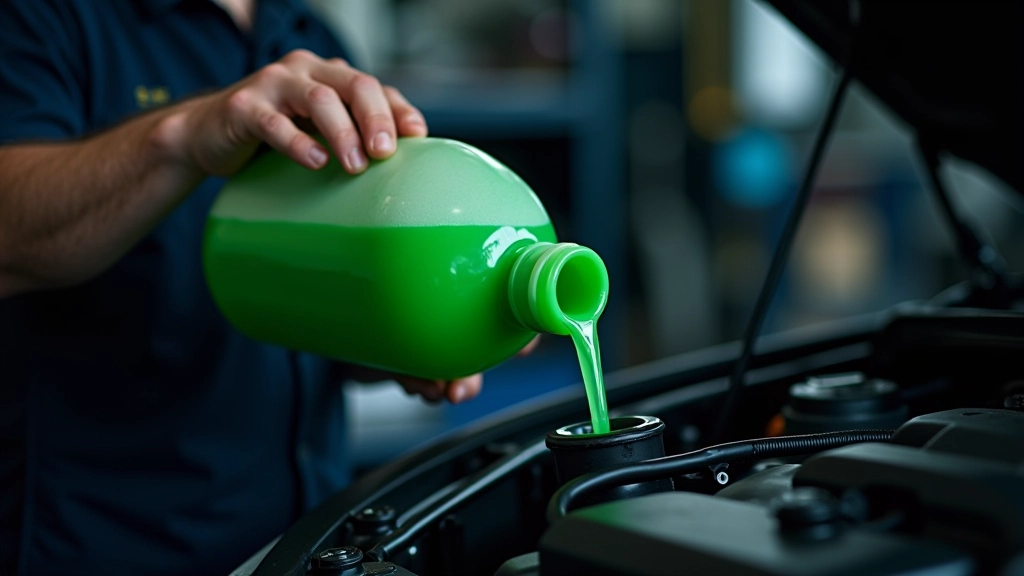
Choosing the Right Coolant for Winter
Different cars need different coolant types. We'll help you pick the one that protects your engine.

Winter Prep: Getting Ready Before Cold Arrives
A pre-winter coolant flush keeps your engine from freezing and protects against corrosion.